






























The most memorable local eateries along the highways and back roads of America
Sign In | Register for Free!
Restaurants Recipes Digest Forums Merchandise FAQ Maps Insider
Search Results
All recipes have been approved by the Roadfood.com editors.
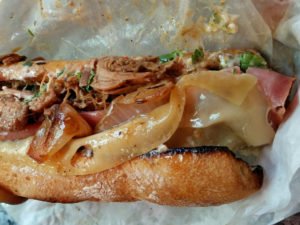
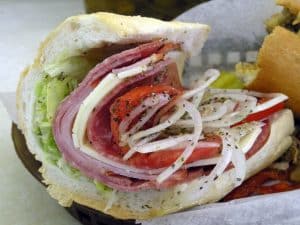
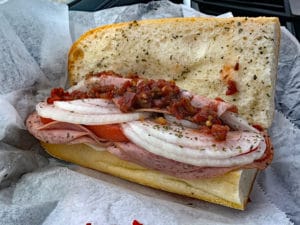
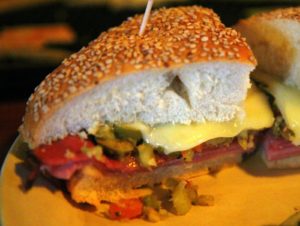
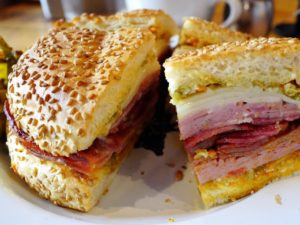
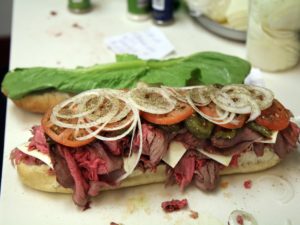
Amighetti Special Amighetti's is a landmark sandwich shop in St. Louis' Italian neighborhood, known as the hill. Leading the menu is one called the Amighetti Special, which is ham, roast beef, salami, a couple of cheeses, a spill of hot pepperoncinis, and – the kicker – Amighetti's tangy-sweet house dressing. The dressing is great on almost any hearty cold-cut sandwich, and can be refrigerated for several days (although it loses its punch over time). This recipe, which we believe pretty well duplicates Amighetti's proprietary one, makes about 1 cup. That should be enough for 3 or 4 foot-long heroes. Recipe Photo of Amighetti Special
Bread Pudding Louis Van Dyke of the Blue Willow Inn suggests this recipe as a great way to make use of leftover biscuits. It's good with bread, too, but the biscuits give it a true-south flavor. Recipe Photo of Bread Pudding
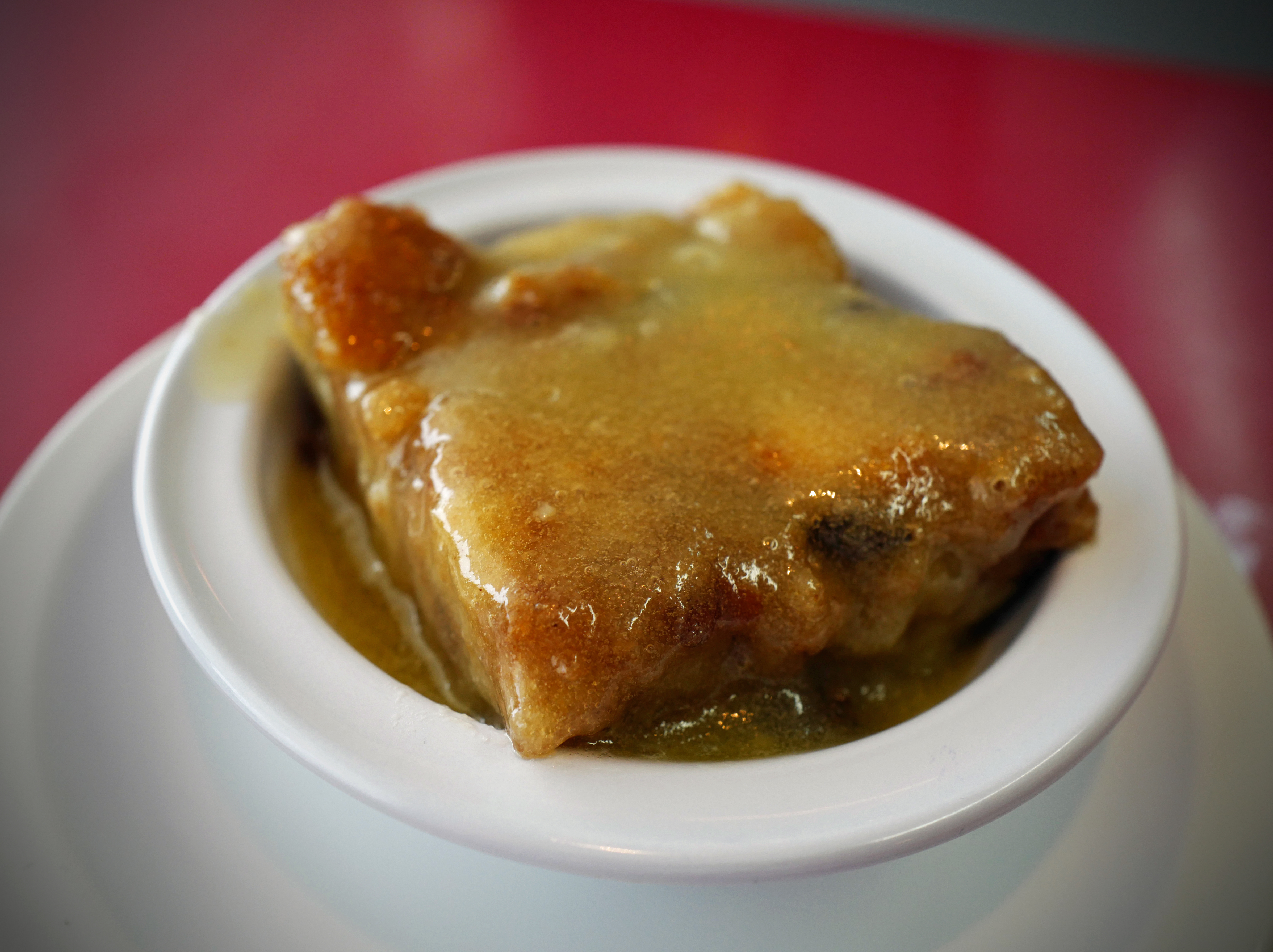
Bread Pudding, Dutch Kitchen Style At the Dutch Kitchen, bread pudding is topped with secret-recipe vanilla sauce, but vanilla ice cream is a fine substitute for home cooks. Recipe Photo of Bread Pudding, Dutch Kitchen Style
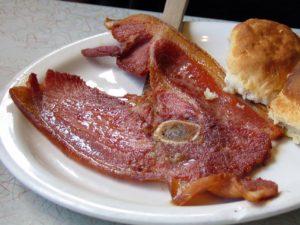
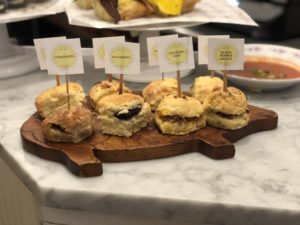
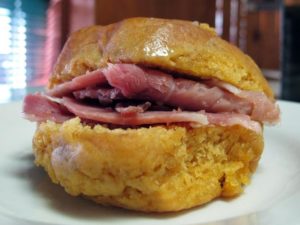
Country Ham Biscuit Vandyland was a counter-and-booth sweet shop near Vanderbilt University in Nashville; a staff member once told us that its name came about when the owners bought what was then called Candyland and wanted to change signs with minimal expense. It was the ham biscuit that first won our hearts to this place, which finally closed its doors in 2006: classic buttermilk biscuits sandwiching sizzled pieces of quarter-inch thick country ham, each slice rimmed with amber fat. Recipe Photo of Country Ham Biscuit
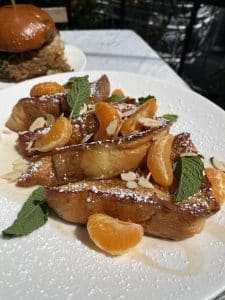
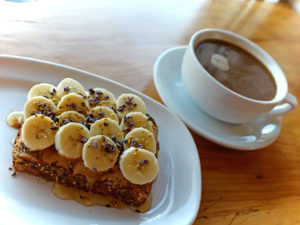
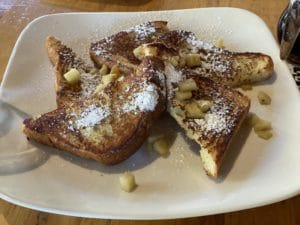
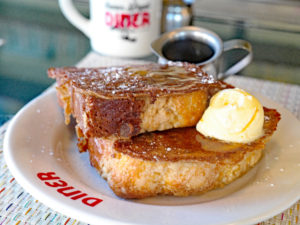
French Toast The Dorset Inn serves three meals a day, but we like breakfast best. It's such a cozy, friendly place to start the day. Chef Sissy Hicks' French toast is unusual in that it is made with baguette bread that is lightly browned in a pan but then baked, resulting in a nice crunch to the outside and creamy character within. Recipe Photo of French Toast
Garlic Mozzarella Bread Chef Sissy Hicks of Vermont's Dorset Inn described this extra-luxurious garlic bread as "everybody's favorite." It's a good side dish for all sorts of meals or, with soup and a salad, a wonderful lunch Recipe Photo of Garlic Mozzarella Bread
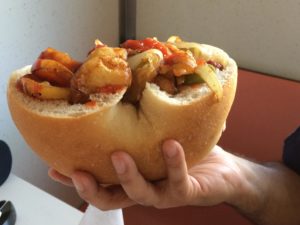
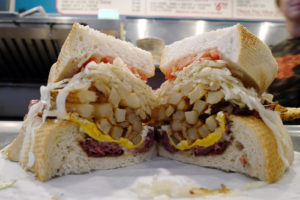
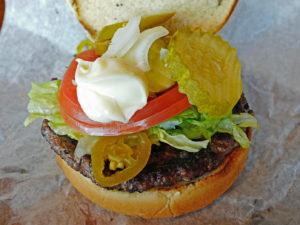
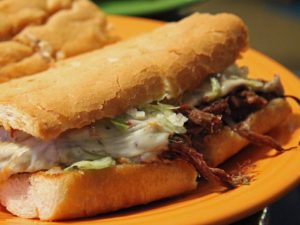
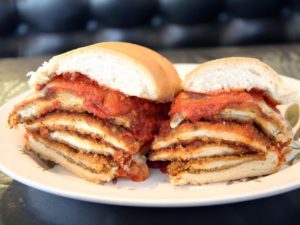
Heroes' Hero Throughout the mid-Atlantic states, no self-respecting hoagie shop is without a wall of fame where pictures of famous clientele gaze down on sandwich-eaters. Several years ago, at a Philadelphia eatery called Ragozzino's, we spent an afternoon studying the sandwich makers' art and came up with the following blueprint for the archetypal hero sandwich. Of course, the ingredients can vary, but the roster listed here are what many sandwich menus refer to as the "Italian classic." More important than the specific list of cold cuts and/or cheeses included is the bread itself. Bread makes or breaks a hero sandwich. Spongy cotton loaves cannot be redeemed by the finest capicola and Provolone. You want a fresh, crisp-crusted, brawny-crumb, full-flavored torpedo that is sturdy enough to contain a double-dose of oil and vinegar condiments. Recipe Photo of Heroes
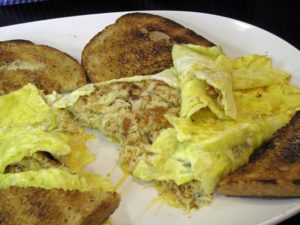
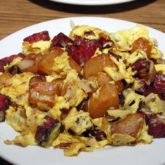
Matzoh Brie In case you aren't familiar with Old Testament cuisine, matzoh is the unleavened bread made by Jews when they beat a fast retreat from Egypt and had no time to wait for yeast to work. You'll find fried matzoh, aka matzoh brie, in many Jewish delis and breakfast restaurants from coast to coast. It ranges from scrambled eggs with a few bits of matzoh to matzohs barely bound with a bit of egg. Our version is dry enough to eat pieces of it with your fingers, but also perfectly suitable as fork food. You can adjust the number of eggs and amount of sour cream to vary its moistness. Recipe Photo of Matzoh Brie
Monte Cristo The Monte Cristo sandwich arrived in America from France considerably some time in the 1930s. Most historians agree that it was based on the croque monsieur, a French sandwich made of Gruyere cheese and ham and fried in butter. It first appeared on menus and in cookbooks as the "French sandwich," and it is believed that it got its name, Monte Cristo, some time in the 1960s in Southern California. This recipe is from Bakers Cafe, in Charleston. Recipe Photo of Monte Cristo
What is Roadfood?  |   Submit Content  |   Privacy Policy  |   Contact Roadfood.com   Copyright 2009 - Roadfood.com